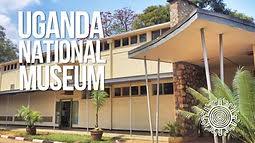
The Uganda National Museum is situated on Kira road about 2km from the city center is Uganda’s exhibit of its culture and heritage in the Uganda national museum. It is possibly the greatest and oldest museum in East Africa to be sighted on Uganda safari.
The ethnographic collection on display at this museum was initially shown in 1905 in a small Greek temple close to Luggard’s fort, which was built in Old Kampala. The Baganda people first called it”nyumba ya mayembe” (house of fetishes) when it was first built in 1908 because they thought the displays would bestow supernatural powers on the colonialist governments.
In 1954, the Uganda National Museum was transferred to its current location on Kira road. So, those that are passionate about pre-colonial Africa history, there are outstanding displays on the Nakayima tree, Ntusi and Chwezi’s bigo bya mugenyi, as well as aspects of the history of Uganda. Traditional musical instruments collected from all over the continent and a superb ethnography section housing a variety of exhibits related to traditional Ugandan life add even more to this amazing collection that makes your safari colourful.
One of the more interesting sections is perhaps the one with traditional music that you should explore. You can play the traditional instruments in addition to viewing them. They are arranged according to major instruments, such as wind, string, and drum instruments and many more. A reed door leads into the ethnographic museum. With over 100,000 pieces of natural history, cultural, and religious artefacts, the diverse and well-described ethnographic collection depicts both our past and present.
Naturalists will be impressed by exhibits of the remnants of the Napak rhino, a species that went extinct eight million years ago. Bark clothes, traditional stools from all over the country, traditional clothes, weapons of justice from all over the country are some of the demonstrates that grace the walls of the ethnographic section. Take a close look at Idi Amin’s presidential Mercedes.
Outside the museum is the cultural village that illustrates the numerous architectural plans and lifestyles of the various regions of Uganda. For individuals who wish to live like the traditional people, a variety of traditional regalia is available. Baskets, gourds, milk pots, crockery and cutlery, are some of the items you will find here. The western region has been adequately represented with the Bamba house for the Bamba people, Kigezi houses for the Bakiga, Ankole house for the banyankole, Hima house for the bahima, Toro and Bunyoro house for the batooro and bunyoro. In all these houses you are going to encounter the traditions and lifestyles of the western Ugandan cultures andtheir attachment to cattle and milk.
The Busoga House for the Busoga, the Jopadhola House for the Jopadhola, the Bugisu House for the Bagisu, the Teso House for the Itesots, and the Karamajong House for the Karamajong are the points of entry into the eastern region of Uganda. Other houses include Acholi House, Lango House, the Alur House and Madi House from northern Uganda. The houses includes hunting and war tools used in the region. And lastly, the Buganda House, which stands for the inhabitants of the central area. The Mweso game, which is popular among the Baganda, hunting nets, drums, baskets for Luwombo, wooden sandals (emikalabanda), and a backcloth are all present in the
house.
However even if I wanted to I would never full combustion for you the exbits you will find and even then when I do what will you see when you get there. Grab your small bag and tick off a few hours to visit the gorgeous epitome of wisdom on culture history and nature.