
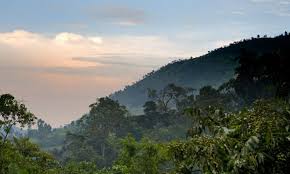
Bwindi Impenetrable National Park is located in south western Uganda on the southern tip of the Rift Valley. Before getting a National park status, two blocks of the Bwindi Impenetrable Forest were designated as Crown Forest Reserves in 1932 and stretched on an area of about 298Km².
1932
In 1932, two blocks of the Bwindi Impenetrable Forest were designated as Crown Forest Reserves. The Northern block has been declared as the “Kayonza Crown Forest Reserve,” and the Southern block designated as the “Kasatora Crown Forest Reserve.” These reserves had a combined area of 207 square kilometres (80 sq mi). In 1942, the two Crown Forest Reserves were combined and enlarged, and renamed the Impenetrable Central Crown Forest. This new protected area covered an area of 298 square kilometres (115 sq mi) and was under the joint control of the Ugandan government’s game and forest departments. Bwindi Impenetrable Forest Reserve was established up in 1942 before it was later gazetted as a national park in 1992.
1964.
Afterwards in 1964, it was transformed into an animal sanctuary in order to protect the mountain gorillas. To provide its mountain gorillas more protection, the reserve was renamed the Impenetrable Central Forest Reserve and classified as a wildlife sanctuary. The primary reserve’s acreage increased to about 321 square kilometers (124 square miles) in 1966 when two other forest reserves joined it. The park was still run as a forest reserve and game sanctuary.
1991.
In 1991, the Impenetrable Central Forest Reserve, together with the Mgahinga Gorilla Reserve and the Rwenzori Mountains Reserve, was established as a national park and named it the Bwindi Impenetrable National Park. It covered an area of 330.8 square kilometres (127.7 sq mi). The national park was declared in part to protect a range of species within it, most notably the mountain gorilla.
The new designation of the park has a large impact on the Batwa pygmy people, who were driven out from the forest and no longer permitted to enter the park or access its resources. Gorilla tracking became a tourist activity in April 1993, and the park became a popular tourist destination. In 1994, a 10-square-kilometre (3.9 sq mi) area was incorporated into the park.
1993.
In 1993 due to the presence of almost half of the world’s mountain gorillas; the parks management, the Uganda National Parks which later turned into Uganda Wildlife Authority bought a piece of land from the Batwa people-first keepers of Bwindi forest that stretched a further 4Km² and was incorporated to the park. It was added to the World Heritage List in 1994. The park was taken over by Uganda National Parks, which has since changed its name to Uganda Wildlife Authority. A 4.2 square kilometer (1.6 square mile) plot of land adjacent to the park was bought and added to the park in 2003.
1999 during the difficult Times.
In March 1999, a force of 100-150 former Rwandan Interahamwe guerrillas penetrated across the border from the Democratic Republic of the Congo and kidnapped 14 foreign tourists and their Ugandan guide from the park headquarters, eventually publishing 6 and murdering the remaining 8 with machetes and clubs; several victims were reportedly tortured, at least one of the female victims was raped, and the Ugandan guide was doused with energy and lit on fire. The Interahamwe attack was reportedly intended to “undermine Uganda” and frighten away tourist traffic from the park, depriving the Ugandan government of vital income. The park was forced to close for several months and the popularity of the gorilla tours suffered badly for several years, though attendance has since recovered due to greater stability in the area. Every tour group is now accompanied by an armed guard as well.
Bwindi impenetrable forest national park today.
Its Uganda’s oldest and most a biologically diverse rainforests, which dates back over 25,000 years and contains almost 400 species of plants.
“Mubwindi bwa nyinamuraki” is the term used by the locals in the Bwindi National Forest. A family once attempted to cross the marsh in the southern section of the forest, but the dense vegetation made it appear impossible. Ugandans believe forest heads are spirits and this family asked permission from the spirits to cross without violence.
Bwindi is unquestionably one of East Africa’s most famous national parks and known to be one of Africa’s most ancient habitats dating over 25000 years back. Though sightings are rare due to the dense forest, visitors can occasionally see forest elephants, 11 primate species, including chimpanzees, L’Hoest’s monkeys, African golden cats, and the rare giant forest hog. The park is home to more mammal species than any other national park in Uganda, with 120 total.
Activities to do on a Bwindi impenetrable national park on a safari.
Bwindi impenetrable national park is located in the southwestern Uganda, and it offer is a diverse range of the safari activities for the visitors on a safari, catering to the different interests and preferences. The park’s main attractions is gorilla trekking, where the visitors can track and observe the endangered mountain gorillas in their natural habitat, with the option to participate in either a standard gorilla trekking or a more immersive gorilla habituation experience. Beyond gorilla trekking, the park offers several hiking trails, including the Rushara Hill Trail, the Mubwindi swamp trail, and the Ivy River trail, which provide the stunning views of the surrounding landscape and the opportunities to spot their wildlife, such as monkeys, bird species and butterflies. Visitors can also participate in the guided nature walks, bird watching excursions, and community-based tourism initiatives, which offer insights into the local culture and the traditions of the Batwa people, the park’s indigenous inhabitants. Additionally, the park’s scenic beauty and diverse wildlife make it an ideal safari destination for photography, with the numerous opportunities to capture stunning images of the park’s landscapes, wildlife and people. Overall Bwindi impenetrable national park offers a unique and enriching safari experience that combines wildlife viewing, outdoor adventure and cultural exploration.