
Congo National Parks
Congo National Parks are also a favorite safari destination for many travelers despite of the county’s recently ended political instability. Congo is endowed with a number of national parks that possess rare species which keeps travelers eager to fly to Congo to discover. Some of the rare species that have witnessed a number of travelers come to Congo include the Lowland Gorillas. Kahuzi Biega National Park in the Congo is home to the last remaining species of lowland gorillas. Virunga National Park is home to mountain gorillas. The Congo National Parks one should prepare themselves to visit include; Virunga National Park, Kahuzi Biega National Park, Upemba National Park, Okapi Wildlife Reserve, Maiko National Park and Garamba National Park. Some of the other species to find in Congo National Parks include; Rhinos, Okapis, Giraffe, Bird species of many kinds, lions and many more others. Activities one should brace themselves for when planning to visit Congo include Game Drives, Bird Watching, Gorilla Trekking, chimpanzee trekking, Boat cruises, and many more.
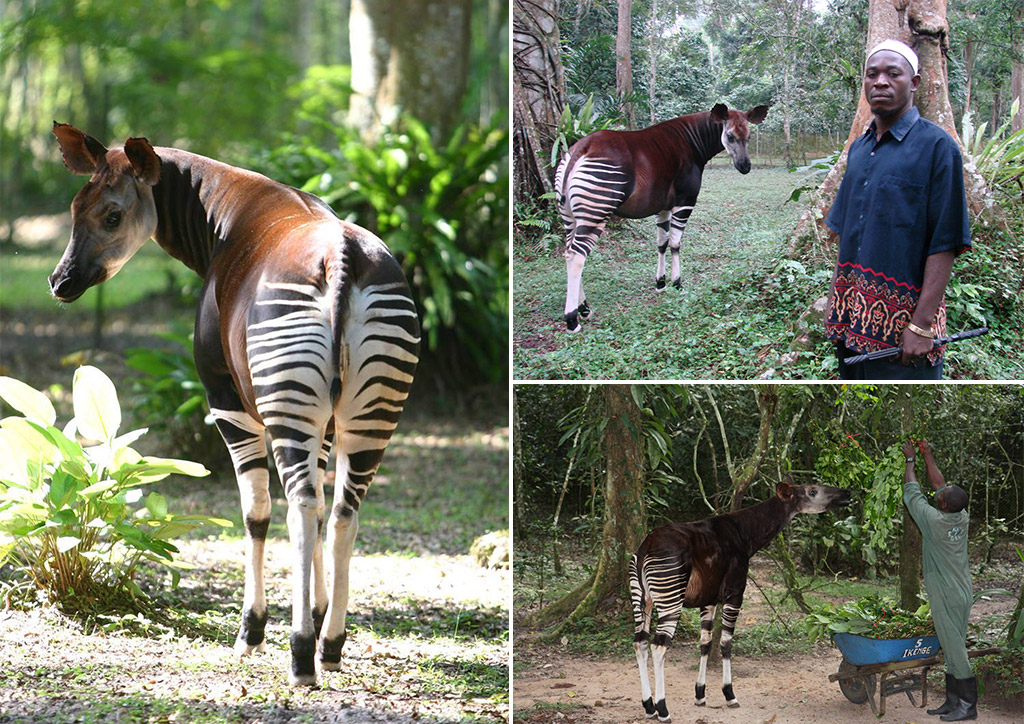
Okapi wildlife reserve
Okapi wildlife reserve is found in the North eastern region of Democratic Republic of Congo and it covers almost 1/5 of the Ituri forest. The

Mount Nyiragongo
Mount Nyiragongo is found within the virunga national park in the Democratic Republic of Congo and its a few meters north of goma town and
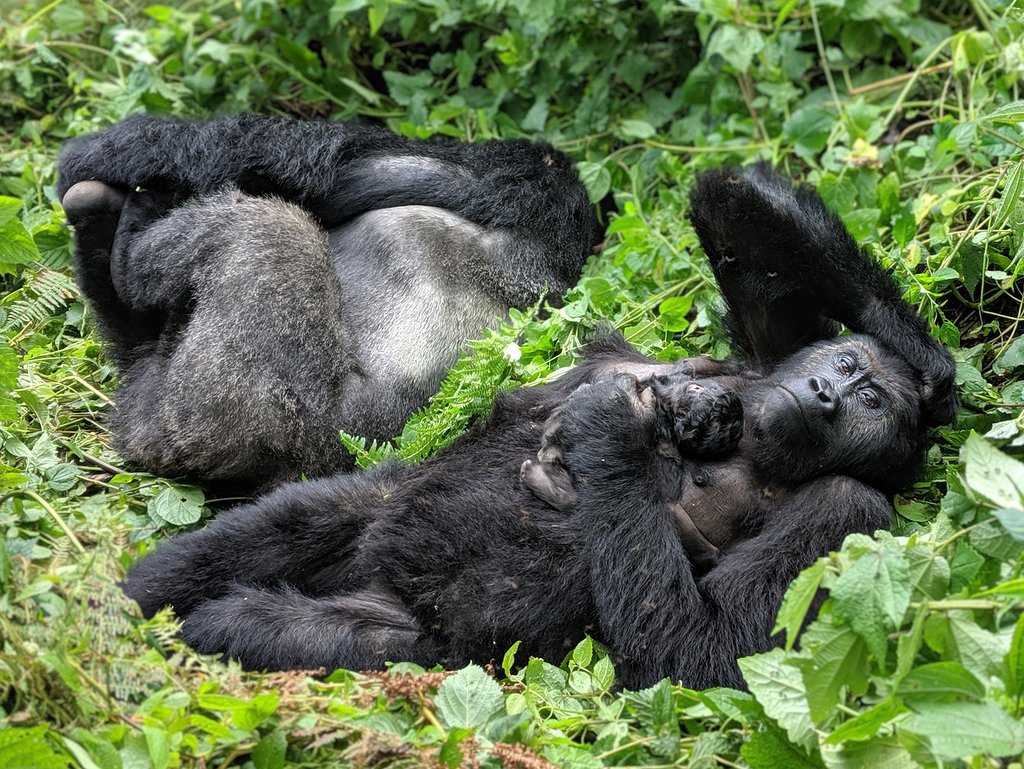
Kahuzi beiga national park
Kahuzi beiga national park is the largest national park with an area cover of 6000 square kilometers that was established in 1970. The national park
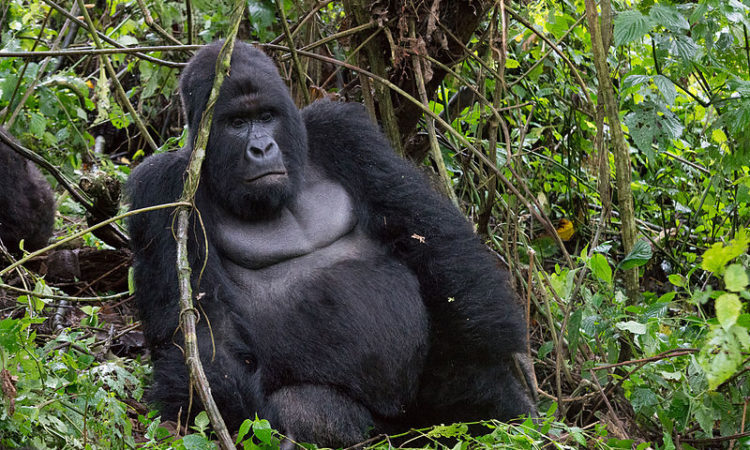
Virunga national park
Virunga national park is located in the Albertine rift valley in the eastern part of the democratic republic of Congo. The national park was established
Virunga National Park.
Virunga National Park is the home to two of some of the most active volcanoes in the world Mount Nyiragongo and Mount Nyamuragira and it home to the endangered mountain gorilla species that can be tracked on a Congo gorilla tour/ Congo gorilla safari. The park is by far the richest national park in Africa in terms of biodiversity with over 200 different types of primates, 700 bird species, savannah grasslands, swamps, marshes, lakes rivers and so many more making it a visitor paradise while in Africa which has caught the eyes of many tourists interested in visiting relatively undisturbed eco areas making it recognized to a number of people worldwide.
The history of Virunga National Park dates back to 1925, when the park was created by then-King Albert I with the primary goal of preserving the mountain gorillas, who were in danger of being poached. He gazetted more than 7800 km² of land to protect wildlife species that were being threatened by poaching in the region. Virunga National Park is the ideal destination if you’re searching for a park where you can experience all of nature’s wonders. Your Congo safari will be unforgettable because the park will give you a taste of all the species.
Kahuzi Biega National Park.
Kahuzi Biega National Park is the only safari destination where you can find the eastern lowland gorillas in Africa and one of the national parks in Africa that will offer the best experiences when it comes to Congo safaris. The park is one of the national parks in Congo that should not be missed while on an East African safari because it offers a variety of attractions, such as 136 mammal species, over 300 bird species, over 1100 plant species, and various vegetation zones like the equatorial rain forest, swamp forest, peat bog, and bamboo forest, among others.
The name Kahuzi Biega comes from the two dormant volcanoes that are visible within the park: Mount Kahuzi and Mount Biega. It was established because of the conservation desires of one Belgian photographer Adrien Deschryver in 1970 and one of the major causes for the establishment was the fauna of the park that was destroyed during the Congo crisis in 1960-65. The primary objective was to protect the eastern lowland gorillas that were undergoing poaching and because of the high Risks that the eastern lowland gorillas were under this led to the establishment of the national park.
Maiko National Park.
Maiko national park is Congo’s most distant and inaccessible park while a Congo safari/ Congo tour and it is the only National Park in DRC to contain all three of country’s most important endemic species: the Grauer’s gorilla, the Okapi, and the Congo peafowl. Significant numbers of elephants, chimpanzees, bonobos, and leopards can also be seen in the park.
Despite its importance, the park has received little national or international attention or management support since its creation in 1970. The Maiko forest also constitutes a vast carbon sink, and its protection is of global importance in preventing further climate change.
Garamba National Park.
In the northeastern region of the Democratic Republic of the Congo (DRC), Garamba National Park is situated in the transition zone between the Guinea-Sfcongudano savannas and the dense tropical forests of the Congo Basin. It covers large grass savannas and woodlands with gallery forests and marshland depressions scattered throughout. It is home to the last remaining northern white rhinoceros population in the world, an endemic subspecies of Congolese giraffe, and a mixed population of elephants that includes both bush and forest elephants as well as individuals that share morphological traits with both subspecies. It is also characterized by a particularly high level of biomass of great herbivores as a result of the vegetation productivity of the environment. Expanding over 490,000 ha and surrounded by 752,700 ha of three hunting grounds which contribute to an effective protection of the property against threats from the adjacent area, this property is an excellent sanctuary with its unusual mix of large spectacular mammals.
Okapi Wildlife Reserve.
Okapi Wildlife Reserve contains flora of exceptional diversity and provides refuge to numerous endemic and threatened species, including one-sixth of the existing Okapi population. The Reserve protects one-fifth of the Ituri forest, a Pleistocene refuge dominated by dense evergreen and humid semi-evergreen forests, combined with swamp forests that grow alongside the waterways, and clearings called locally and inselbergs.
With its bio-geographical location, wealth of ecosystems and the presence of many species that are rare or absent in the right next low altitude forests, it is probable that the Ituri forest served, during earlier drier climatic periods, as refuge for the tropical rainforest. To the north of the Reserve, the granite rocky outcrops, provide refuge to a plant species especially adapted to this microclimate, characterized by numerous endemic species such as the Giant Cycad (Encepholarcus ituriensis).
Mount Nyiragongo.
Mount Nyiragongo is a steep stood active stratovolcano at an elevation of 3,470m in the Virunga range, Albertine region located in the Democratic Republic of Congo. It has erupted about 34 times since 1882 and the last eruption was recently in 2002. This is the world’s largest lava lake. At coordinates 1°31′S 29°15′E, it is only 40 kilometers from the Nyamuragira shield volcano. Because it is unique, deciding to climb Mount Nyiragongo is a wise decision that will offer you everlasting safari memories. This mountain is famous for its lava lake size (1.2km diameter and 200m deep) and being an active volcanic mountain with recent eruptions as recent as 2002. It is open for visitors who wish to hike it regardless of the political struggles of the region but please remember you will need to spend a night at the top/ summit of Nyiragongo so be prepared for that. Despite the mountain’s fiery red lava, the summit is unexpectedly cold, so pack warm clothing and remember to bring your hiking boots, a sleeping bag, and a stick. Only during a Congo safari can one fully reach and explore Mount Nyiragongo.